Table of Contents
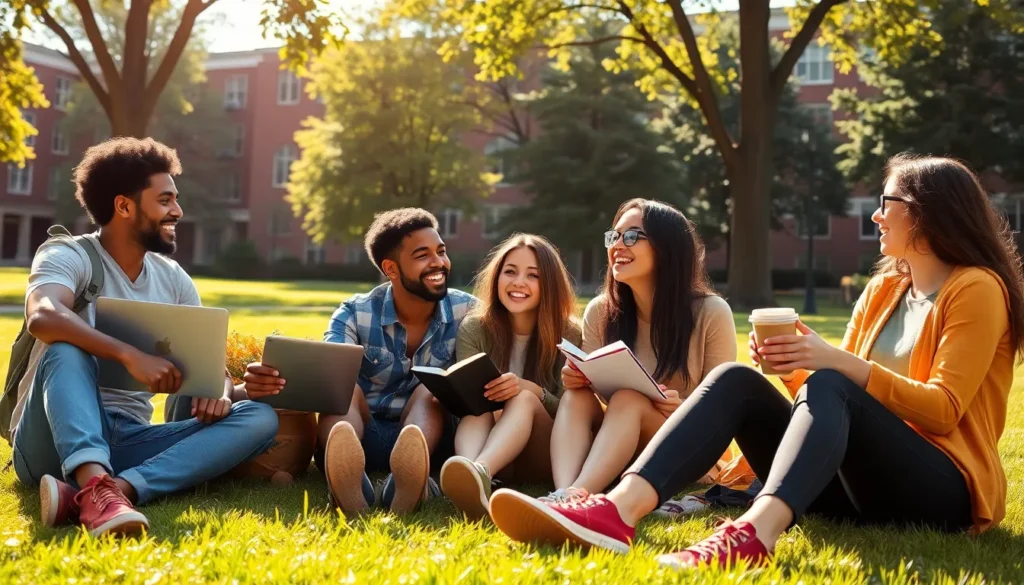
ToggleCampus life is more than just attending classes and cramming for exams; it’s an adventure filled with late-night study sessions, impromptu pizza parties, and the occasional existential crisis. It’s a unique blend of freedom and responsibility that shapes not just academic skills but lifelong friendships and unforgettable memories.
Picture this: you’re juggling assignments, navigating the social scene, and somehow managing to keep your laundry from becoming a biohazard. It’s chaotic, it’s messy, but it’s also where some of the best stories are born. From quirky traditions to the thrill of joining clubs, campus life offers a vibrant tapestry of experiences that can’t be found anywhere else. So grab your backpack and get ready to dive into the wild world of campus life—where every day is a new chapter waiting to be written.
Overview of Campus Life
Campus life encompasses a vibrant blend of academic pursuits, social engagements, and personal experiences. Students participate in various extracurricular activities, enriching their educational journey. Clubs offer opportunities for involvement, whether in sports, arts, or advocacy.
Living arrangements contribute significantly to the overall experience. Residence halls serve as communal spaces where individuals forge lasting friendships. Shared experiences during late-night study sessions or communal meals create bonds that extend beyond university years.
Events organized by faculty and student bodies enhance social interaction. These gatherings facilitate networking among peers from diverse backgrounds. Regular events, such as career fairs and cultural festivals, contribute to a rich campus culture.
Students navigate responsibilities and challenges while prioritizing academics. Balancing coursework with activities fosters time management and prioritization skills. It shapes the ability to juggle multiple commitments in a dynamic environment.
Campus traditions also play a role in shaping identity. Annual celebrations, such as homecoming or spring festivals, encapsulate the spirit of the institution. Participation in these traditions fosters a sense of belonging and pride in the university.
Opportunities for personal growth abound within this lively setting. Engaging in discussions with peers encourages diverse perspectives. Experiences gained through internships and volunteer work prepare students for future endeavors.
Overall, campus life presents a unique environment that cultivates academic achievement alongside essential life skills. Each moment spent on campus contributes to a broader narrative of personal development and communal engagement.
Social Aspects of Campus Life
Campus life includes important social dynamics that shape students’ experiences. Engaging in social interactions fosters personal growth and creates lasting memories.
Friendships and Networking
Friendships develop through shared experiences in residence halls, classrooms, and social events. These connections often lead to networking opportunities pivotal for future careers. Students across campuses form study groups and join project teams, enhancing academic collaboration. Campus events, such as job fairs and networking mixers, provide platforms for meeting industry professionals. Students learn to navigate diverse environments, preparing them for real-world interactions. Networking skills cultivated during college often yield long-lasting professional relationships.
Extracurricular Activities
Extracurricular activities enrich student lives beyond academics. Participation in clubs, sports teams, and advocacy groups helps students explore interests and develop new skills. Each option promotes teamwork and leadership, essential for personal development. Campus organizations frequently host events that encourage involvement and community engagement. Engaging with peers in these settings fosters friendships and a sense of belonging. Volunteering through these activities also strengthens social bonds, as students give back to the community. Exploring diverse extracurricular options shapes a well-rounded college experience.
Academic Environment
Academic environments shape students’ experiences and contribute to their overall campus life. Engaging classrooms and accessible study resources enhance learning.
Classroom Experience
Classrooms serve as dynamic spaces for growth. Faculty members encourage active participation through discussions and group projects. Technology, such as smartboards or online platforms, facilitates interactive learning. Diverse teaching styles cater to various learning preferences, making education more inclusive. Active engagement helps develop critical thinking skills. Students often find collaboration with peers enriching, pushing them to explore different perspectives. Opportunities for research projects deepen understanding of subjects and enhance analytical abilities.
Study Resources
Study resources play a vital role in academic success. Libraries provide extensive collections of books, journals, and digital materials. Quiet study rooms help students focus during intensive study sessions. Academic workshops offer guidance on writing techniques and research methodologies. Online databases grant access to scholarly articles, streamlining research efforts. Peer tutoring programs connect experienced students with those needing help, fostering a collaborative learning environment. Additionally, academic advising assists in determining course paths, ensuring students make informed decisions about their education.
Living Arrangements
Campus living plays a critical role in the student experience. Housing options significantly influence social interactions and personal development.
Dormitory Life
Dormitory life offers an immersive environment for students. Shared spaces foster relationships among roommates and hallmates, often leading to lifelong friendships. Amenities, such as common rooms and study lounges, promote socialization and collaboration. Events organized by residence staff encourage bonding and create a sense of community. Daily interactions with diverse peers enrich students’ experiences and prepare them for future teamwork. Balancing academics and social activities often happens in these vibrant settings, where students learn essential life skills like independence and time management.
Off-Campus Housing
Off-campus housing presents alternatives for students seeking independence. Many opt for apartments or houses with friends, providing a chance to manage living expenses and household responsibilities. Local neighborhoods offer unique experiences, from cafes to cultural venues, enhancing campus life beyond academia. Commuting varies, with some students enjoying shorter travel times while others face longer commutes. Having a diverse housing experience often cultivates a sense of autonomy, allowing students to develop essential life skills. Engaging with local communities can deepen connections and broaden perspectives, contributing to a well-rounded college experience.
Campus life embodies a dynamic blend of experiences that shape students’ academic and personal journeys. The vibrant atmosphere fosters friendships and connections that extend beyond the classroom. Each day offers new challenges and opportunities for growth that contribute to a well-rounded college experience.
Embracing the chaos and excitement of campus life allows students to develop essential skills while creating lasting memories. The unique traditions and collaborative spirit found in this environment play a crucial role in preparing individuals for their future careers. Ultimately, the rich tapestry of campus life serves as a foundation for lifelong learning and personal development.