Table of Contents
ToggleIn an increasingly interconnected world, supporting bilingual children has become essential for their cognitive and social development. Bilingualism not only enhances communication skills but also fosters cultural awareness and adaptability. As families navigate the complexities of raising children in multiple languages, understanding the best practices for nurturing bilingualism is crucial.
Parents and educators play a pivotal role in creating an enriching environment that promotes language skills. By integrating both languages into daily activities and encouraging authentic conversations, they can help children thrive in their bilingual journey. This article explores effective strategies and resources to support bilingual children, ensuring they can confidently embrace their diverse linguistic identities.
Importance Of Supporting Bilingual Children
Supporting bilingual children plays a crucial role in their cognitive, social, and emotional development. Research indicates that bilingualism enhances cognitive flexibility, problem-solving skills, and multitasking abilities. Exposure to two languages increases neural connections in the brain, which contributes to overall linguistic proficiency.
Bilingual children often exhibit stronger communication skills. They possess the capability to understand diverse perspectives, which fosters empathy and cultural awareness. Such skills are invaluable in a globally connected society, where effective communication across different cultures is essential.
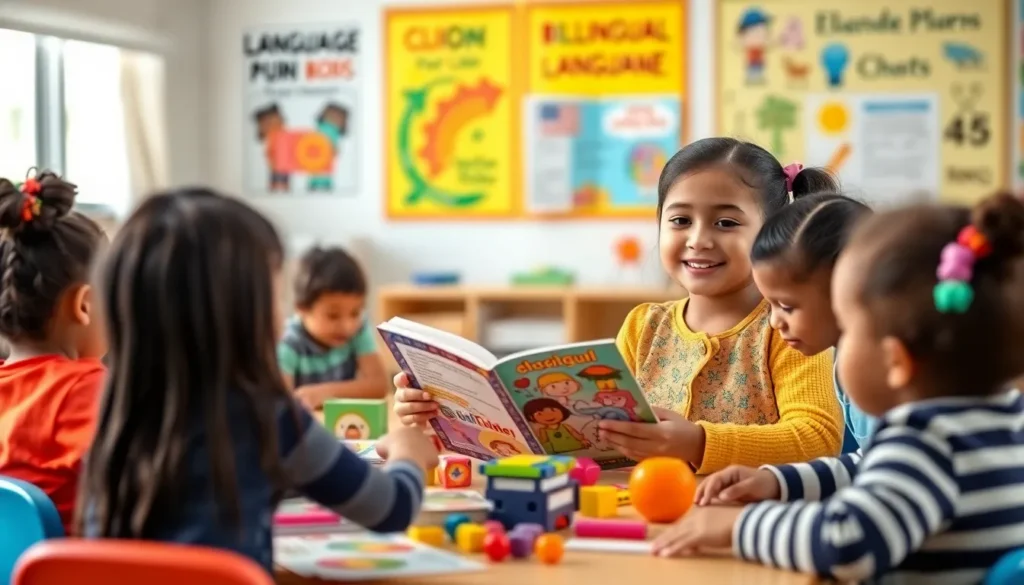
Parents and educators significantly impact bilingual children’s language acquisition. They create enriching environments by incorporating both languages in everyday activities. Strategies include reading bilingual books, engaging in conversations in both languages, and facilitating playdates with peers who speak either language.
Supporting bilingualism also nurtures children’s self-esteem and identity. Affirming their bilingual background helps them embrace their unique cultural heritage, promoting a sense of belonging. Fostering this confidence allows bilingual children to thrive both academically and socially.
Incorporating bilingual resources, such as educational apps and community classes, enhances language retention. Parents and educators can access workshops focused on bilingual education techniques. These resources ensure children continue to develop their language skills alongside their peers.
Strategies To Support Bilingual Children
Supporting bilingual children involves implementing effective strategies at home and in their environment. These methods can enhance language skills and promote cultural appreciation.
Encouraging Language Development At Home
Encouraging language development at home consists of several engaging approaches.
- Read bilingual books: Select stories in both languages to expose children to vocabulary and sentence structure.
- Engage in conversations: Foster dialogue in both languages, allowing children to practice and gain confidence in their spoken abilities.
- Label household items: Use labels in both languages to reinforce vocabulary and create a language-rich environment.
- Sing songs and nursery rhymes: Incorporate songs in both languages to promote phonological awareness and rhythm in language.
- Limit distractions: Designate specific times for language practice, ensuring focus on one language at a time to promote effective learning.
Creating A Multilingual Environment
Creating a multilingual environment helps children immerse themselves in both languages.
- Incorporate multimedia resources: Utilize movies, music, and apps in both languages to maintain children’s interest while reinforcing language skills.
- Facilitate playdates: Organize gatherings with friends or family who speak different languages to encourage social interaction and language use.
- Attend community events: Participate in multicultural events where both languages and cultural practices are celebrated, enhancing children’s understanding and appreciation.
- Establish routines: Designate specific days for using each language to maintain an organized approach and encourage consistent practice.
- Encourage cultural exploration: Share traditions, customs, and cuisines from both languages to foster a deeper connection with each culture.
Implementing these strategies helps children thrive in a bilingual environment, enhancing their language skills and cultural identity.
Resources For Parents And Educators
Parents and educators can utilize various resources to support bilingual children’s language development and cultural identity. The following tools and materials enhance learning experiences effectively.
Recommended Books And Materials
- Bilingual Picture Books: Books like “Milo’s Adventures in Two Languages” and “My First Bilingual Book” introduce vocabulary and themes in both languages, promoting comprehension.
- Multilingual Story Collections: Works such as “The Three Little Bears: A Bilingual Fairy Tale” engage children with familiar stories in different languages, fostering retention.
- Language Learning Workbooks: Activity books specifically designed for bilingual education, such as “Bilingual English-Spanish Workbook,” encourage practice and reinforce language skills.
- Children’s Reference Books: Illustrated dictionaries or encyclopedias in both languages aid vocabulary expansion and serve as valuable resources for curious minds.
Online Tools And Apps
- Duolingo: This interactive app motivates children through game-like lessons, offering a fun way to practice vocabulary and grammar in various languages.
- Rosetta Stone Kids Lingo Letter Sounds: Designed for younger audiences, this app introduces language through games and storytelling, enhancing engagement.
- PBS Kids Language Games: Online educational games from PBS Kids provide entertaining ways to build language skills while incorporating literacy concepts.
- Mango Languages: This app offers culturally relevant content and immersive learning experiences, helping children perceive language in context.
These resources, when strategically integrated into daily routines, significantly support bilingual children’s development, enriching their learning journeys and cultural connections.
Challenges Faced By Bilingual Children
Bilingual children encounter various challenges that can impact their language development and educational experience. Understanding these challenges is essential for parents and educators to provide adequate support.
Common Misconceptions About Bilingualism
Many misconceptions exist regarding bilingualism, often creating barriers for bilingual children. Some believe that learning two languages simultaneously can confuse children, leading to language delays. However, research shows that bilingualism does not hinder language development; rather, it enhances cognitive abilities and strengthens language skills. Another misconception is that bilingual children will not achieve proficiency in either language, but studies indicate that with consistent exposure, they can excel in both. Addressing these misconceptions helps create a supportive environment that encourages language growth.
Addressing Educational Gaps
Bilingual children may face educational gaps that arise from differing language proficiency levels. In certain educational settings, a lack of bilingual resources can hinder their academic performance. Limited access to bilingual programs or materials may exclude these children from fully participating in their education. Additionally, teachers may not always receive training in bilingual education strategies, potentially leading to ineffective teaching methods. By implementing targeted interventions, such as providing bilingual learning materials and training educators in bilingual teaching techniques, these educational gaps can be addressed, ensuring equitable learning experiences for bilingual children.
Supporting bilingual children is essential for their overall development. By fostering their language skills and cultural identity, parents and educators can help them thrive in a diverse world. Integrating effective strategies and resources into daily routines not only enhances language proficiency but also nurtures empathy and communication skills.
As bilingual children navigate their unique linguistic journeys, they gain invaluable perspectives that prepare them for future challenges. Creating an enriching multilingual environment ensures that these children feel confident in their abilities and proud of their heritage. Embracing bilingualism ultimately empowers them to connect with others and succeed in an increasingly interconnected society.