Imagine a world where college is free for everyone. No student loans haunting your dreams, no crippling debt as you try to make sense of adulthood. Sounds like a dream, right? Well, it could be a reality, and the benefits of free college education extend far beyond just saving money. From leveling the academic playing field to equipping the workforce of tomorrow, this concept deserves a closer look. Buckle up: we’re about to jump into the alluring perks of making college accessible for all.
Improved Access To Education
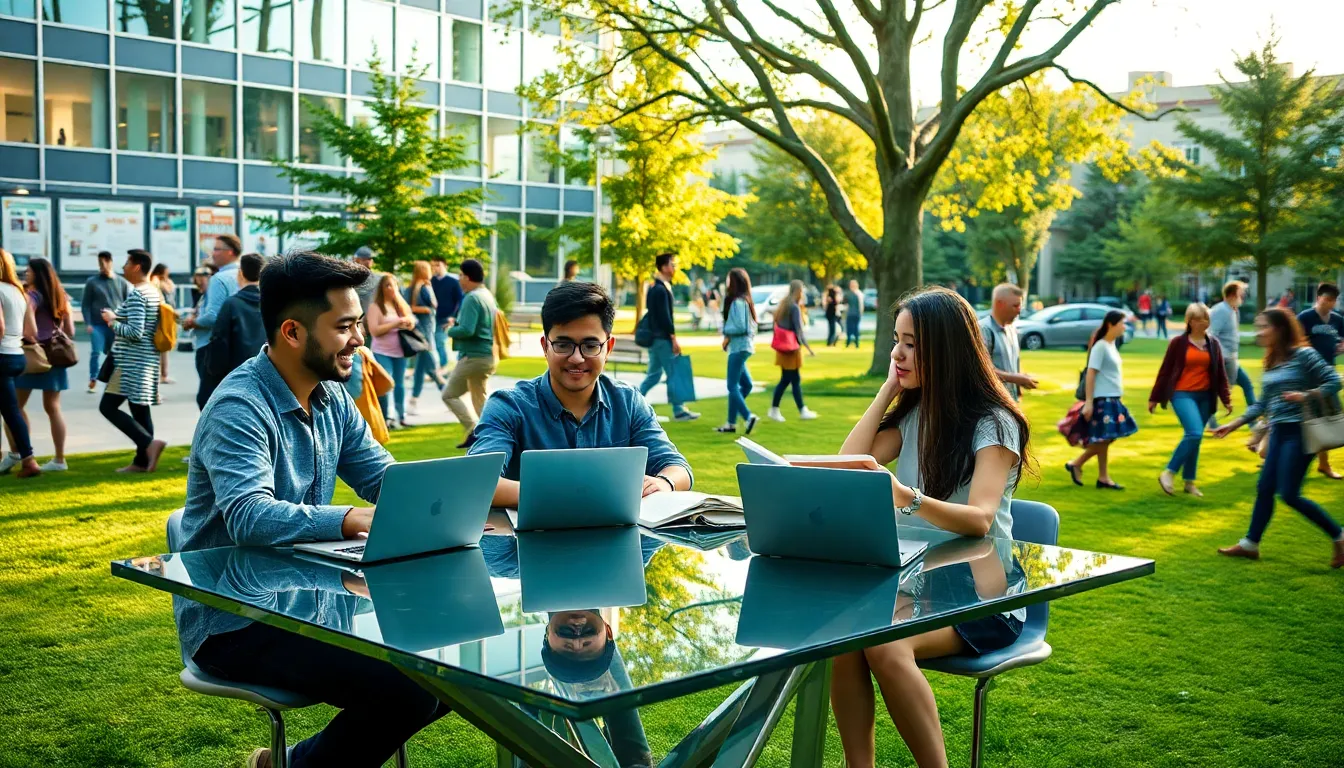
One of the most significant benefits of free college education is improved access to education. Families across various socio-economic backgrounds often feel the pinch when it comes to affording college tuition. By removing the financial barrier, more individuals can attend college regardless of their financial situation. This changes the landscape of education in a profound way.
Increased access means that schools can become melting pots of diverse backgrounds, experiences, and ideas. Participants aren’t just learning from textbooks: they’re learning from each other. Also, with free college, it becomes increasingly easier for non-traditional students, those returning to school after years in the workforce, or those balancing family responsibilities, to pursue their educational goals. The opportunity to learn, grow, and develop new skills shouldn’t be limited to those who can afford it. Instead, education should be an attainable goal for anyone who seeks it.
Reduction Of Student Debt
Anyone who has met a recent college graduate knows one thing: student debt is real, and it’s heavy. Free college education allows students to focus on their studies instead of worrying about how they’ll afford rent while simultaneously paying off tuition. The ramifications of mounting student debt have been felt across the economy, spilling over into home-buying patterns, travel habits, and overall financial stability.
Eliminating this burden means graduates can enter the workforce with more freedom and opportunities. They can make choices that focus on career growth instead of merely staying afloat financially. This shift from debt to opportunity can eventually enhance job satisfaction and productivity in the workforce. With students better positioned to explore their passions, society stands to benefit as these passionate individuals pursue careers they genuinely enjoy.
Economic Growth And Workforce Development
From an economic standpoint, free college education offers a domino effect that can stimulate growth. When more individuals obtain higher education, the workforce becomes more skilled and productive. A well-educated workforce is one of the most significant assets a country can have. Companies thrive in environments with skilled employees capable of innovative thinking and problem-solving.
Also, with lower unemployment rates linked to education, society can expect increased purchasing power. A more educated workforce means not just better jobs, but the creation of new jobs as well. Companies are more likely to invest in areas with a well-trained talent pool, resulting in a healthier economy overall. This is particularly essential in industries like technology and healthcare, where evolving challenges require educated minds to innovate and improve processes.
Social Equity And Inclusion
Free college education also plays a vital role in promoting social equity and inclusion. Historically, marginalized communities have faced barriers to higher education. By eliminating tuition fees, these communities gain equal footing, allowing them to tap into resources and opportunities previously unavailable to them. Imagine reducing the educational disparity between urban and rural areas or among different racial and ethnic groups.
This newfound inclusivity can lead to broader societal benefits, such as reduced crime rates and improved health outcomes. When individuals from all walks of life can access education, they are empowered to contribute positively to their communities. This strengthening of social fabric creates a powerful ripple effect, paving the way for a more equitable society.
Enhanced Quality Of Education
It might sound ironic, but free education can actually lead to an enhanced quality of education. With increased enrollment, colleges and universities are incentivized to improve their programs to attract potential students. This surge in interest forces institutions to evaluate their teaching methods, resources, and overall quality.
Besides, as more students enter higher education, funding can shift towards universities to accommodate them effectively. These institutions might invest more in their faculty, facilities, and technology, leading to a richer educational environment. Eventually, better quality programs produce graduates who are not just equipped but also motivated to excel in their fields.
Global Competitiveness
In an increasingly globalized world, the educational attainment of a country is a critical factor in its competitiveness. Having a well-educated workforce allows countries to stay relevant in international markets. As other nations invest in education, it’s imperative for the United States, and any other country considering free college, to step up its game. Free college can serve as a potent tool for at least catching up and potentially leading internationally.
Countries with high levels of education are often associated with long-term economic prosperity, enhanced innovation, and a stronger global position. By investing in the potential of every individual through free education, a country not only prepares its workforce but also establishes itself as a leader in the global arena.